
Modern cars ask far more of their batteries than they did a decade ago. Yet plenty of South African motorists still replace a dead battery like it’s a light bulb: pop in the cheapest fit and drive off. That habit is now a fast route to premature failure, warning lights and a workshop bill you didn’t budget for.
Today’s vehicles run start-stop systems, intelligent alternators and various electronic systems, including infotainment, sensors, cameras, driver aids and tracking units that draw power even when the engine is off. Battery technologies have evolved to cope, including AGM (Absorbent Glass Mat) and EFB (Enhanced Flooded Battery). Knowing which one your car needs is the difference between a battery that lasts and one that quits within months.
Where conventional flooded batteries can fall short
Conventional flooded lead-acid batteries were designed for a simpler job: start the engine and let the alternator handle the rest. That world is gone.
“A modern car cycles its battery constantly,” says Jannie Grundling, Probe Branch Manager for the Eastern Cape. “Every time you stop at a robot in a start-stop vehicle, the engine shuts down and the battery keeps the air-con, lights and electronics alive. Then it has to fire the engine up again. A standard flooded battery simply wasn’t engineered for that kind of demand.”
Fit a conventional battery into a start-stop system and it can fail within two to four months.
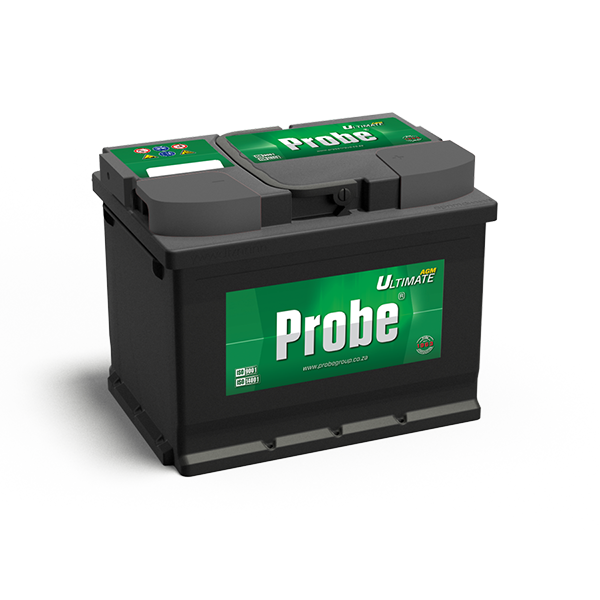
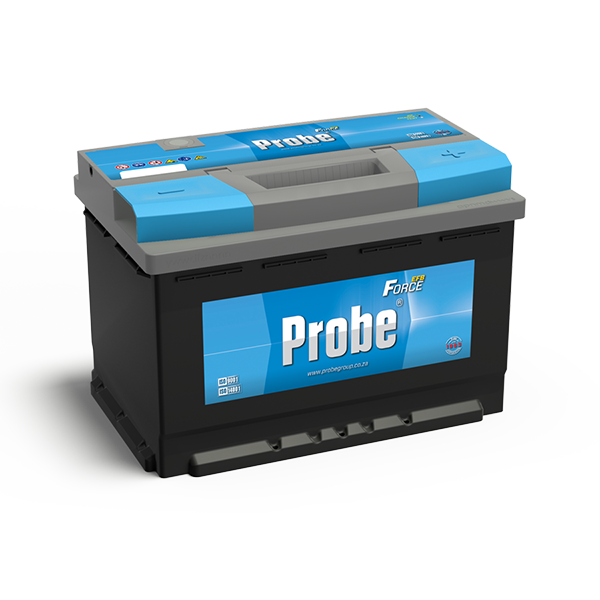
Key differences between EFB and AGM batteries
Both technologies are a step up from the old flooded design, but they’re built for different demands.
EFB: the smart middle ground
EFB batteries still use liquid electrolyte, but with a tougher internal build — improved plates, better active material and carbon additives that sharpen charge acceptance. The result is a battery that handles far more start-stop cycles than a conventional unit, recovers charge quickly on the move, and does it at a sensible price.
“EFB is a strong fit for entry-level and mid-range start-stop vehicles,” Grundlingh explains. “You get roughly double the cycle life of a standard battery without paying a premium. For a lot of drivers, that’s exactly the right call.”
AGM: built for the heavy hitters
In AGM batteries, the electrolyte is absorbed into compressed glass mats between the plates rather than moving around as free liquid. That design brings lower internal resistance, faster charge acceptance, superior deep-cycle durability and serious vibration resistance.
“AGM is what you need when the vehicle demands more,” says Grundlingh. “Premium SUVs, luxury cars, commercial platforms, anything with regenerative braking or aggressive energy management – AGM was designed for these systems. It can deliver more than triple the cycle life of a standard battery.”
The trade-off is cost. AGM uses more specialised materials and sits at a higher price point. But for high-demand vehicles, it’s an investment that pays back in reliability.
What South African roads do to your battery
Battery choice isn’t just about the badge on your bonnet. It’s about where and how you drive, and our conditions are unforgiving.
High ambient heat speeds up chemical degradation inside any battery. Rough roads and long-haul routes hammer electrical systems with vibration. Both punish weaker technology fast.
“Our climate and our roads are tough on batteries,” says Grundlingh. “AGM’s compressed construction gives it real vibration resistance, which matters enormously for commercial vehicles and anyone covering long distances on poor surfaces. EFB, meanwhile, holds up well in heat and offers excellent value for the vehicles it’s matched to. There’s no single winner — it depends on the vehicle and the job it does.”
Grundlingh says neither technology is universally “better.” The right battery is the one engineered for your car’s operating demands.
Mistakes that kill new batteries early
Here’s where drivers and even some workshops go wrong. Modern charging systems are electronically calibrated to a specific battery type – its charge acceptance, internal resistance and voltage behaviour. If you fit the wrong technology, you throw that calibration off. Some vehicles, those with a Battery Sensor Module or a similar system, will require a battery recalibration using a scan tool when the battery is replaced. Without this recalibration, the alternator may overcharge the new battery, leading to early failure.
It’s crucial to replace an existing battery with the same technology or upgrade to a compatible AGM battery. AGM batteries are considered a drop-in replacement for traditional lead-acid batteries in most newer vehicles, as the charging voltages are almost identical. With lower internal resistance, AGM batteries can be charged at a much faster rate. This isn’t a concern, as most vehicle wiring is designed to handle the maximum rated output of the alternator.
“Drop a conventional battery into a car built for AGM and you’re asking for trouble,” Grundlingh warns. “You’ll see unstable charging, warning lights, reduced start-stop function and early failure. Many vehicles now need the new battery electronically registered so the energy-management system recognises it. Skip that step and the alternator can overcharge the battery and shorten its life.”
What this means for you
Battery replacement has become a technical decision, not a counter transaction. The smart move is straightforward:
- Match the battery technology to your vehicle – and upgrade rather than downgrade
- Factor in your real driving conditions, including heat, distance and road quality.
- Insist on proper registration or calibration where your vehicle requires it.
- Work with people who understand vehicle electrical systems, not just stock codes.
Get those four things right and you’ll spend less over the life of the vehicle, not more.
Probe’s AGM and EFB ranges are built for the varied demands of modern drivers — high cycling performance, improved charge acceptance and long service life. Whether you’re navigating city traffic in a start-stop hatchback or need a power solution that can endure the extremes of heat and inactivity, Probe pairs the right technology with the right vehicle.
With decades in the South African market, the Probe team can point you to the correct fit before your next replacement.
Contact Probe on +27 11 453 0924 or [email protected].